

Car Maintenance Tips for Daily Dubai Commuters
Table of Contents
- Key takeaways
- Why are Dubai roads tough on cars?
- Check your engine oil regularly
- Keep tyres ready for heat
- Don’t skip AC system checks
- Battery care in extreme heat
- Brakes need extra attention here
- Choosing the right workshop matters
- Building a simple maintenance routine
- Final thoughts
- Frequently asked questions
Key takeaways
- Dubai’s heat and traffic wear cars down faster than cooler climates do, so routine checks matter more here.
- Oil changes, tyre checks, and AC servicing catch most problems before they become breakdowns.
- A workshop you trust saves you money and repeat visits.
- Small habits now mean fewer surprises later, and a better resale price down the line.
When you drive in Dubai from day to day, your automobile suffers from extreme temperatures, heavy traffic, and long hours on the road. It results in excessive wear and tear on some critical parts of the automobile. Most people tend to wait before any car issue arises so they can deal with the problem, and this can often lead to costly repairs.
However, the best part is that you can prevent most such occurrences with the help of regular oil changes, tyre inspections, brake checks, battery tests, and air conditioning upkeep. It is also possible to find reliable service providers for routine maintenance in Dubai to find and fix small issues before they cause you bigger problems.
Why are Dubai roads tough on cars?
A few reasons your car ages faster here than it would somewhere cooler:
- Summer heat regularly crosses 45°C, and that stresses engines, batteries, and every rubber component under the hood.
- Traffic means constant stop-start driving, which chews through brakes and transmissions faster than steady highway cruising would.
- Desert dust finds its way into filters and vents no matter how careful you are.
- Long daily commutes rack up mileage quickly, even for people who feel like they barely drive.
None of this is a reason to panic. It’s just a reason to check things more often than the manual technically requires.
Check your engine oil regularly
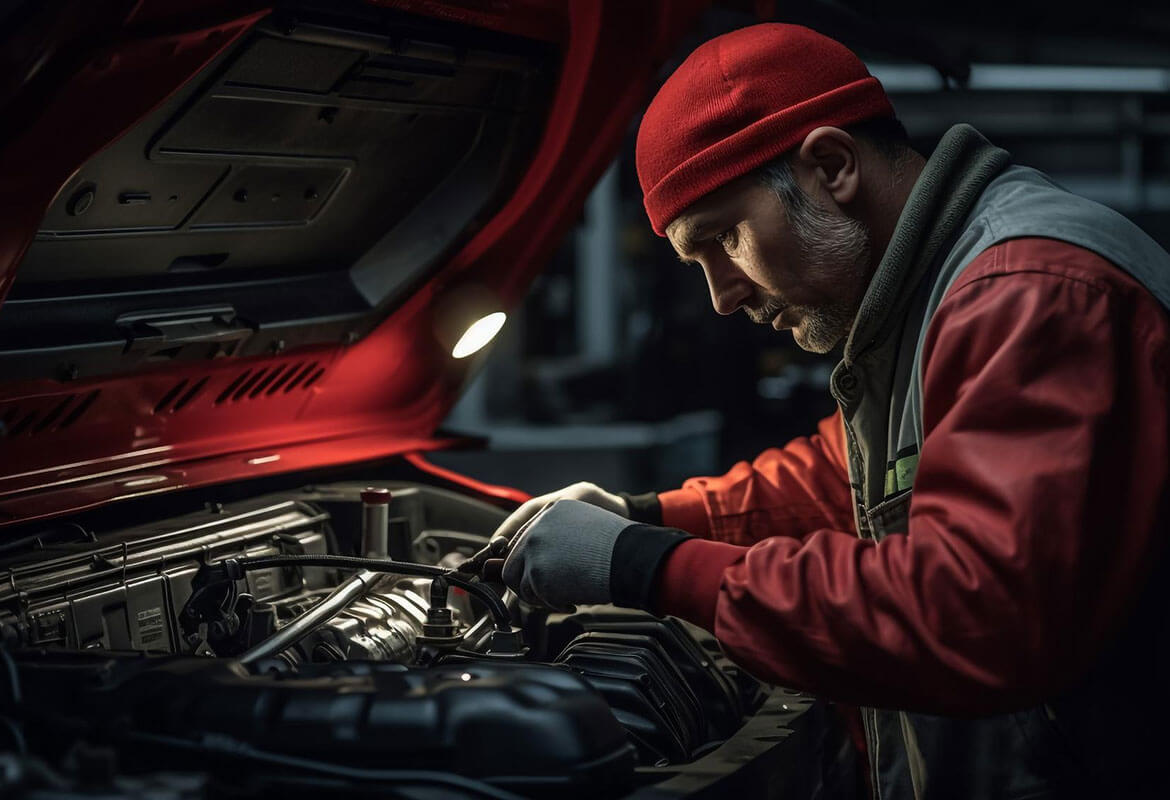
Engine oil is an essential element in making the car work smoothly. It applies lubrication to the various parts of the engine, lowers friction and transports the excess heat out of the engine system. In Dubai’s hot environment, engine oil deteriorates quickly, so it is vital to change the oil regularly for the proper functioning of the engine.
A few things worth doing:
- Change it every 5,000 to 8,000 km, depending on what your manual says.
- Go synthetic if you can. It holds up better in heat than conventional oil does.
- Don’t brush off the oil warning light. It’s not being dramatic.
- Check the level yourself once a month with the dipstick. Takes two minutes.
Furthermore, a decent car oil change service in Dubai will also look at leaks and filter conditions while they’re in there, not just top up the tank and send you off. That extra ten minutes of inspection is usually what catches the bigger problem before it becomes one.
Keep tyres ready for heat
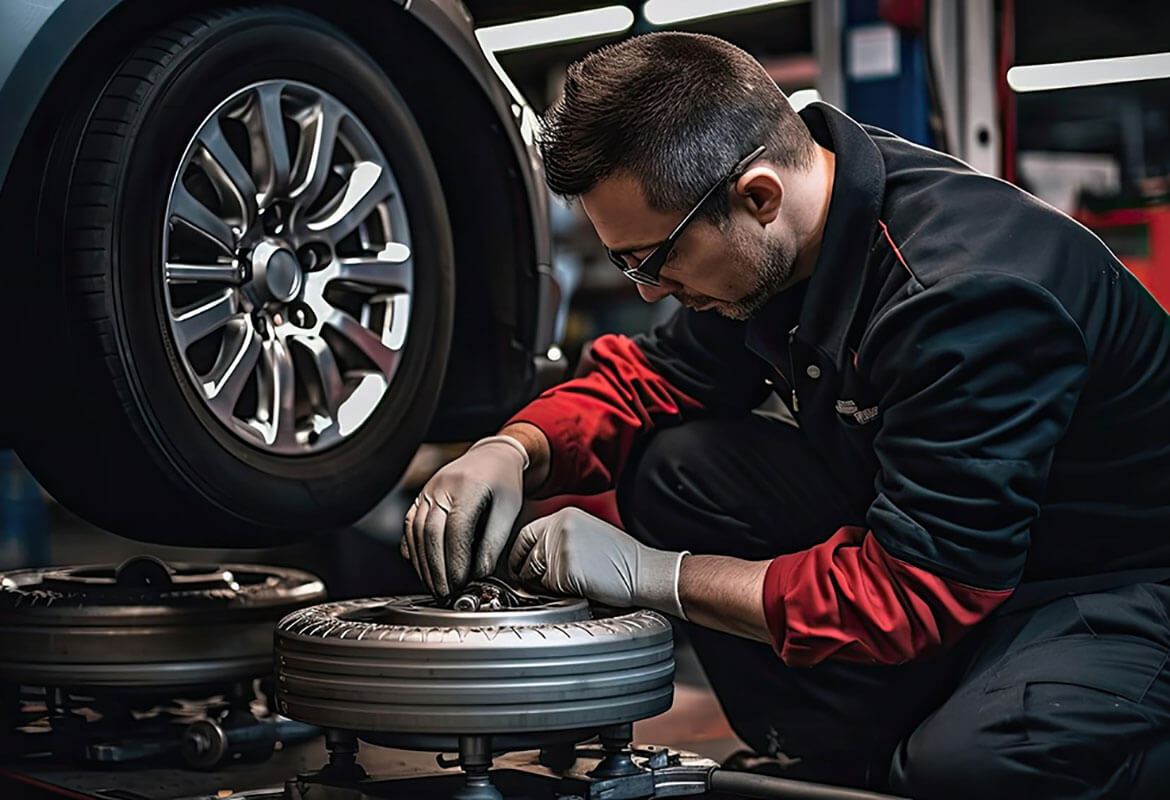
The hot weather in Dubai is affecting the way people drive on the roads and highways. It is unfortunate that tyre condition is neglected by most drivers until they experience a more severe brake down or a flat tyre. Regular inspections with the help of car routine maintenance services in Dubai would help avoid all these problems.
- Check pressure every two weeks. Heat expands the air inside, so pressure creeps up on its own.
- Rotate every 8,000 to 10,000 km for even wear.
- Look for cracks or bulges on the sidewall. Extreme heat causes this more than people expect.
- Swap them out once the tread drops below 3 mm.
However, it’s a five-minute check that can save you from changing a tyre on the side of the road in the middle of summer, which nobody enjoys.
Don’t skip AC system checks
Your AC in Dubai isn’t optional. Most people don’t think about it until it stops working, which is usually the worst possible time.
Watch for:
- Airflow that feels weaker than it used to
- A smell when it’s running that wasn’t there before
- Noises from the compressor
- Taking longer than usual to actually cool down
Moreover, getting it looked at every six months catches the small stuff, like low refrigerant or a clogged filter, before it turns into a compressor replacement that costs a lot more.
Battery care in extreme heat
Something people don’t expect- heat is actually harder on batteries than cold weather is. It speeds up fluid evaporation inside, which shortens the battery’s life considerably.
- Get it tested every 3 to 4 months, and definitely before summer hits.
- Keep the terminals clean. Corrosion builds up faster than you’d think.
- Park in shade when you can.
- Plan to replace it every 2 to 3 years in this climate, roughly.
If your car’s slower to start in the morning, or the headlights look a little dimmer than usual, don’t wait around on that one.
Brakes need extra attention here
Stop-start traffic wears brake pads and discs down faster than steady driving would. This isn’t just about your car’s health either; it’s a safety issue.
Signs to watch for:
- Squealing or grinding when you brake
- A pedal that feels soft or spongy
- Vibration through the steering wheel while braking
- Taking longer to actually stop
The best car workshop in Dubai suggests a brake inspection every 10,000 km, sooner if most of your driving is in the city. This is one area where it really doesn’t pay to put things off.
Choosing the right workshop matters
So who do you actually trust with your car? With so many workshops around, it’s genuinely hard to tell the good ones apart from the ones that’ll upsell you on things you don’t need.
| Factor | What to Look For |
| Certification | Technicians trained on your specific car brand and model |
| Transparency | Itemised quotes before any work starts, no surprises |
| Turnaround Time | Same-day service for routine jobs |
| Genuine Parts | OEM or manufacturer-approved parts only |
| Customer Reviews | Consistent, not just a handful of glowing ones |
| Warranty | Coverage on both parts and labour |
The perfect workshop can lead you to significant savings in terms of money as well as time. At Alchapo Auto Service, the qualified professionals give their honest advice and provide transparency about the pricing as well as repair services. The emphasis is on solving the actual problem and not suggesting unnecessary repairs as well.
Whether it’s a quick car repair and maintenance service in Dubai or something more involved before a long drive, working with people who explain things properly makes the whole process a lot less stressful.
Building a simple maintenance routine
A rough schedule to keep things on track:
- Every 2 weeks: Tyre pressure, quick visual check for wear
- Every month: Oil level, washer fluid top-up
- Every 3 months: Battery health, especially before summer
- Every 6 months: AC inspection
- Every 5,000-8,000 km: Oil and filter change
- Every 10,000 km: Brake inspection, tyre rotation
Moreover, stick to something close to this and you’ll spend a lot less time dealing with surprises.
Final thoughts
Although car maintenance is something you can do without facing any difficulties, the majority of individuals prefer to leave it for later. Regular tyre checks or oil changes can help maintain your vehicle in the ideal condition while avoiding further costly repairs. Getting car routine maintenance in Dubai is a smart choice when you wish to improve the performance of your automobile.
In case you have avoided servicing your car for a long time, it is high time you got a professional service. Alchapo Auto Service provides a wide range of car routine maintenance services as well as car inspection and repair services in Dubai.
Frequently asked questions
Routine vehicle maintenance needs to take place every 5,000 to 8,000 km approximately every three months due to the high-temperature environment and wear and tear from traffic.
Minor car routine servicing involves oil change, filter change, brakes check, tyres inspection, including fluids topping, battery tests, and performing a general overview of the main systems.
Heat accelerates the evaporation of fluids inside the battery, so it loses capacity faster than in cooler areas. Regular testing helps to detect this issue before the battery dies.
There are weaker air flows, warm air where there should be cold air, and some fragrances and noises are coming from the unit. Never forget to get it checked every 6 months to be safe.
Yes. It withstands heat better than regular oil and usually allows for longer service intervals.
Every two weeks. Heat increases air and thus pressure in this environment more than in less extreme regions.
Look for qualified professionals, transparency in prices, original spare parts, reliable customer reviews (not only a few positive ones), and real warranty for the work done.
Yes. Minor problems can be caught earlier at lower costs than waiting until they become substantial and ruin the car’s fuel efficiency and price on the market.