How Vehicle Inspection Affects Car Insurance Premiums
Table of Contents
- Key Takeaways
- Why do insurers trust inspection reports?
- What do inspectors actually check?
- Can a clean report lower the premium?
- How often should you inspect a car?
- Common mistakes people make
- Wrapping up
- Frequently asked questions
Key Takeaways
- It helps insurers set appropriate premium costs.
- Well-maintained cars are usually cheaper to insure.
- It reduces the risk and cost of future expenses.
- Having inspection reports helps build trust and boost the chances of getting claims.
- It helps avoid costly repairs later on
- It can speed up the insurance approval process
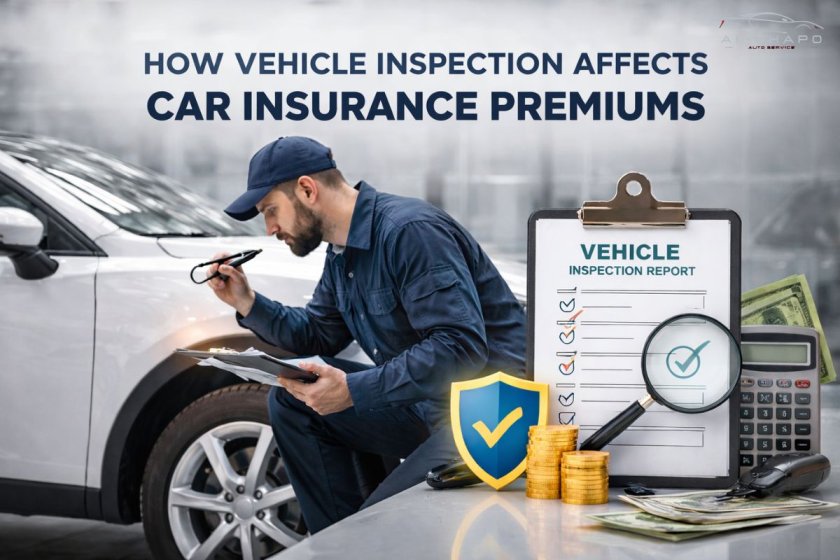
Vehicle inspection has a direct impact on insurance cost. It clearly shows the actual condition of the car. Based on this, insurers decide how risky the vehicle is. A car that is well taken care of usually gets a lower premium. A poorly maintained one? It often ends up costing more.
If the car is clean, safe, and checked on time, insurance companies treat it as low risk. But hidden damage changes everything. Even small issues can increase the chances of claims. That’s why experts, including teams at Alchapo Auto Service, always recommend doing an inspection before renewing a policy.
There’s another side to it. Inspection reports build trust. They remove guesswork. Pricing becomes fair. Instead of paying extra, the premium matches the real condition of the car.
Why do insurers trust inspection reports?
Insurance companies trust inspection reports because they give clear and updated information. These reports cover everything important- engine condition, brakes, body, and safety systems.
Without inspection, things get uncertain. Risk looks higher. Additionally, when risk feels high, premiums go up. A proper inspection changes that. It helps insurers:
- Know the exact condition of the vehicle.
- Spot old damage or hidden faults
- Check if safety standards are met.
- Lower the chances of fake claims.
Take one simple example. When using vehicle inspection services in Dubai, the report works like proof. Insurers can rely on it. This often leads to better pricing. Therefore, it’s not just about insurers. Car owners benefit too. No unfair charges. No surprises later.
What do inspectors actually check?
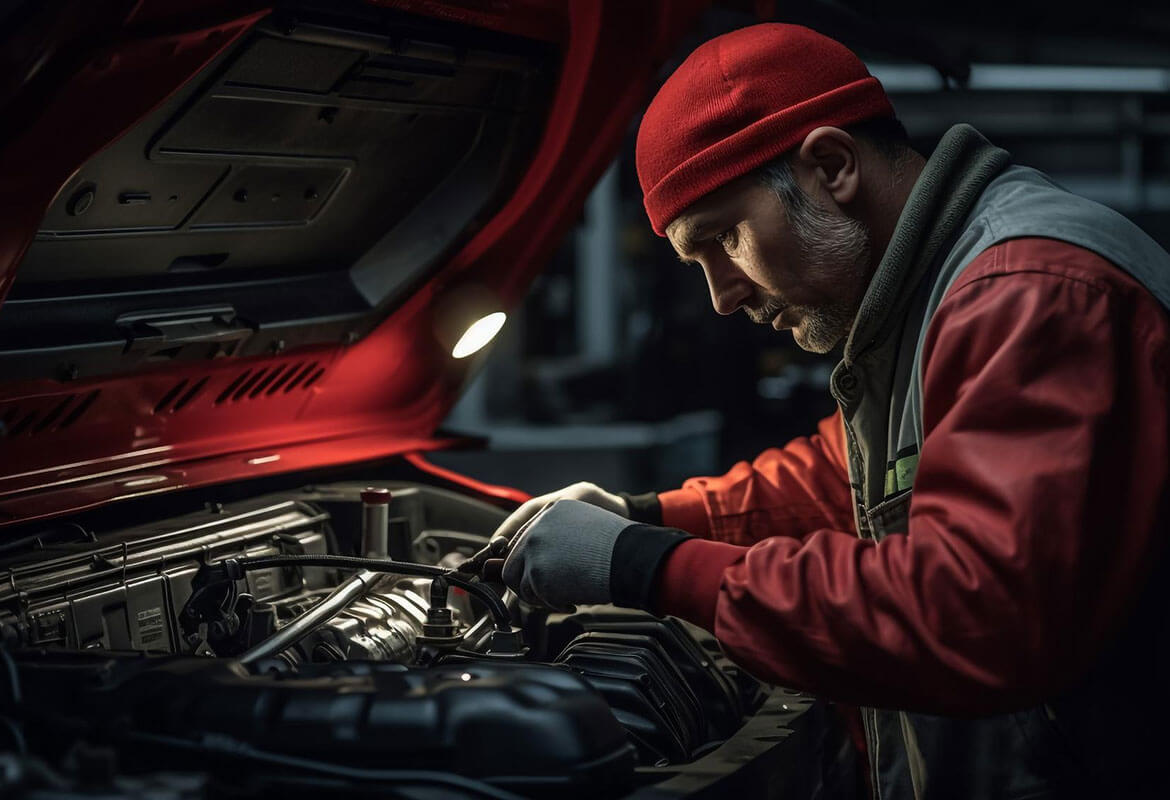
A vehicle inspection is not a quick glance. It goes deep. Every important part is checked carefully.
Here’s what usually gets covered:
- Engine performance and oil quality
- Braking system and response
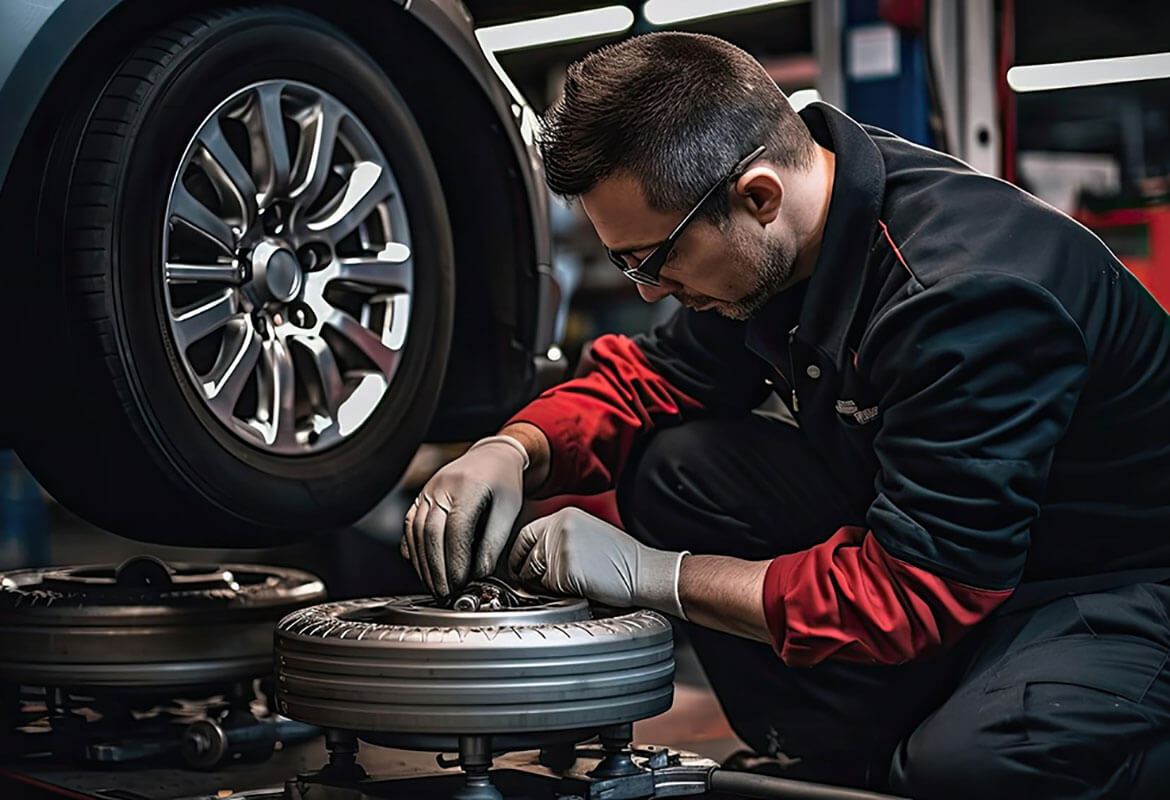
- Tires, alignment, and suspension
- Lights and electronic systems
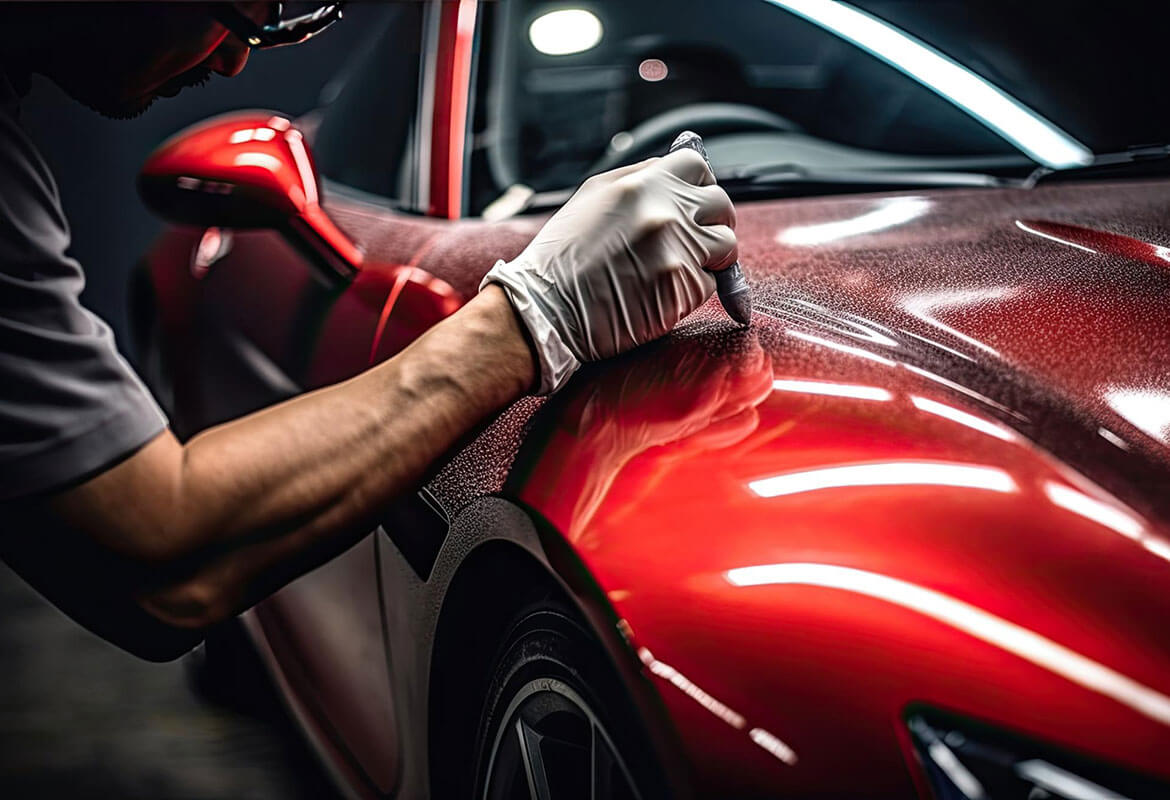
- Outer body and paint condition
- Interior safety features
Some problems are not visible. That’s where tools come in. A car diagnostic scanner Dubai helps find hidden issues inside the system. It reads error codes. It catches things early.
So, it’s not just surface checking. It’s a full health check of the car. And this detailed report plays a big role in how insurance costs are decided.
Can a clean report lower the premium?
Yes, it can. A clean report shows the car is in good shape. That means lower risk. However, lower risk often leads to lower premiums.
Insurance companies prefer safe vehicles. A strong report can help in:
- Reducing premium amount
- Faster approval of policy
- Better chances during claim
But there’s a catch. The inspection must be detailed and genuine. Many car owners choose experts like Alchapo Auto Service for this reason.
Regular servicing also matters. A trusted car repair and maintenance service in Dubai keeps the car in proper condition. This reflects clearly in inspection reports.
At the end of the day, a well-maintained car not only performs better on the road but also. It also helps save money on insurance.
How often should you inspect a car?
Keeping the insurance premium in control is not complicated. Regular inspection plays a big role. Simple habit, big impact.
A few moments matter most. The car should be checked:
- Before renewing insurance
- Right after any accident or damage
- Every 6 to 12 months
- Before buying or selling
You might notice something small during these checks. A strange sound. A warning light. Fixing it early saves trouble later. Small issues stay small when handled on time.
Delays can cause problems. Tiny faults grow. Risk increases. And yes, insurance costs also go up. That’s why timely inspection always makes sense.
Moreover, some drivers prefer expert help. Professional car auto repair services in Dubai are often chosen because they provide clear reports and proper guidance.
Common mistakes people make
To be honest, many car owners skip inspection. It feels unnecessary. But later, it costs more.
Here are a few common mistakes:
- Skipping checks before policy renewal
- Ignoring small repairs or warning signs
- Going for cheap but unreliable services
- Not saving inspection reports
Another thing happens often. People focus too much on looks. Fancy upgrades like car body kits Dubai get attention, but internal safety gets ignored. Good looks help, sure. Moreover, insurers care about safety and performance more.
Balance is important. Maintain the car properly. Keep all records safe. This makes getting a better insurance deal easier.
Wrapping up
Vehicle inspection is an essential factor in determining your insurance premium cost. It helps you clearly identify your car’s actual condition, enabling you to determine your premium cost. If your car is well maintained, it means you are at a lesser risk, hence reducing your premium costs.
Furthermore, it is essential to understand that vehicle checks are not merely checks. They help you avoid costly repairs in the future. It is always beneficial to have your car well maintained. It helps you avoid additional costs and hassles. It is always advisable to have your car inspected by reliable experts like Alchapo Auto Service. It is crucial to have your vehicle inspected in Dubai using reliable vehicle inspection services.
Frequently asked questions
Yes, it shows low risk, which helps in getting better premium rates.
Not always required, but it helps in accurate pricing and quick approval.
Higher premium or claim issues may happen due to unknown risks.
Usually 30 minutes to 2 hours, based on car condition.